Recently, I collaborated as a guest lecturer for a module for Master’s students at the University of Warwick, as part of a week-long course titled ‘Perceived Quality’. Throughout this module, students learned the criteria for evaluating quality in premium vehicles and explored how to understand these evaluations — which are often quite subjective — from a customer’s perspective. The students were employees of Jaguar Land Rover at various levels, though nearly all were engineers. I was the sole lecturer responsible for four sessions, and in four additional sessions, I taught in partnership with my then supervisor, Rebecca Cain. These classes alternated with 12 other lecturers during this intensive, full-time week.
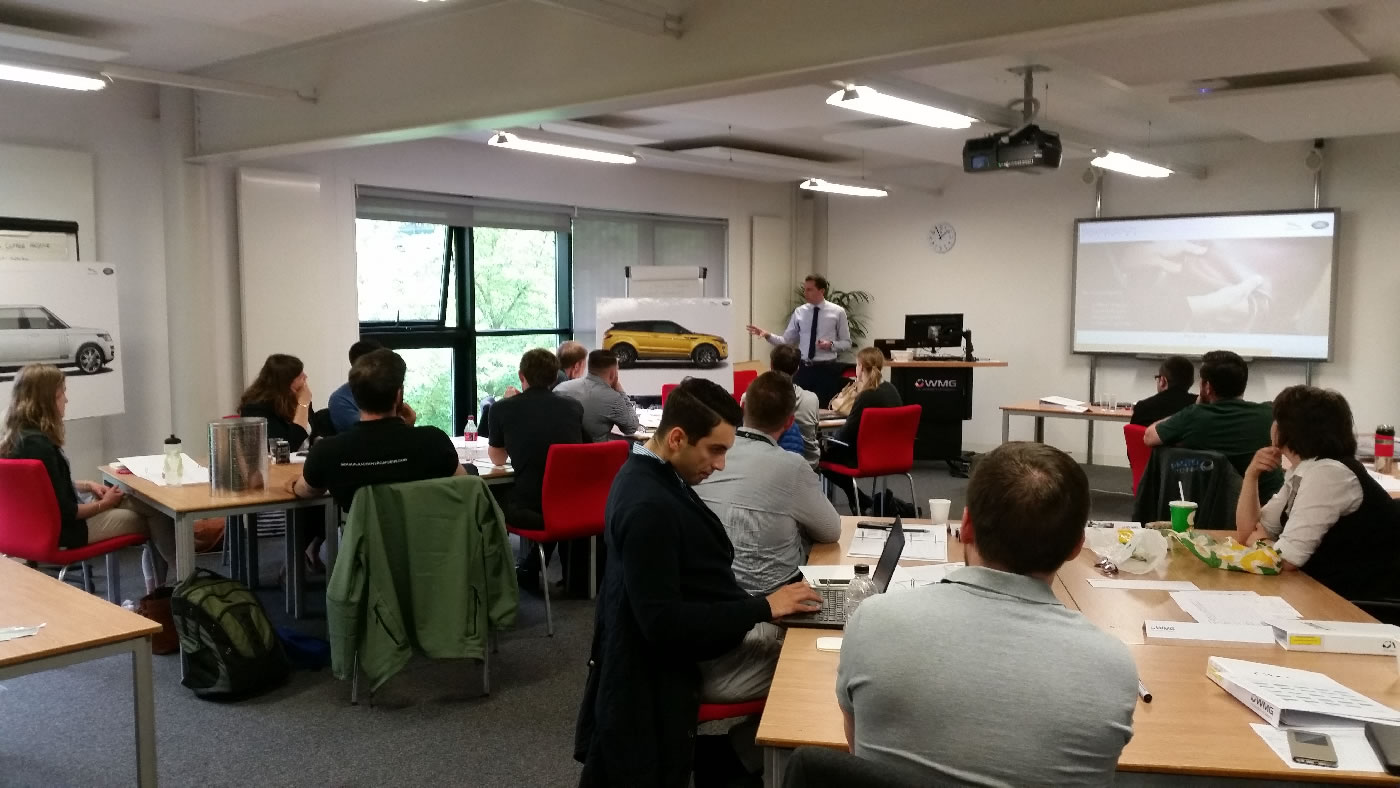
The content of my sessions was divided into three parts. The first involved User-Centred Design, where I presented theories and examples of product, service, and systems design that can influence behaviour change. The focus was on the necessity of understanding the end-user—their needs, preferences, characteristics, and limitations. The second part covered user data collection techniques, where I presented research methods such as interviews, scales, field observation, lab observation, non-intrusive observation, and online surveys. Each method was illustrated with examples of application and data visualisation.
The third part demonstrated how this data can be transformed into concrete design tools. Among the tools discussed, I described Personas — fictional characters representing users, complete with photos, descriptions, and traits to make them feel real and foster empathy. Another tool was Customer Journey Maps, which represent how a user interacts with various touchpoints of a system over time. During the course, I presented real examples of personas and maps I created for recent projects.
I believe this module was incredibly engaging; students were able to see the entire design process in a short space of time—from interaction design theory and data collection to the application of that data in design tools, and finally, seeing how these tools tangibly assist in designing products and services that meet user needs. It was vital for the engineers to see that it is fundamental to consider the user’s opinion rather than designing everything as if for themselves.
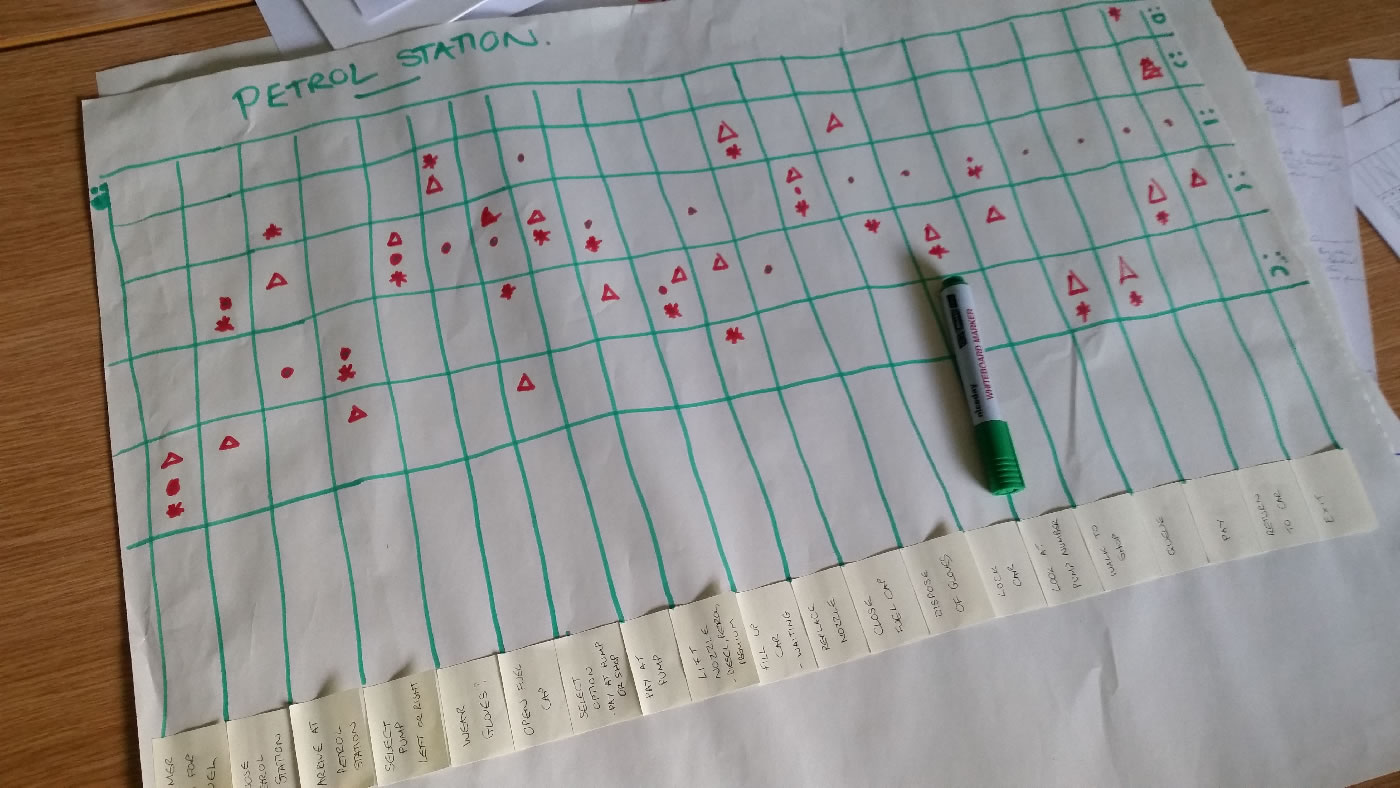
Sessions included workshops where participants discussed in groups and practiced what they had learned. In the first, they practiced designing interactive products using paper prototypes; in the final session, they created customer journey maps for automotive-related activities, such as refuelling at a petrol station or parking at a shopping centre.
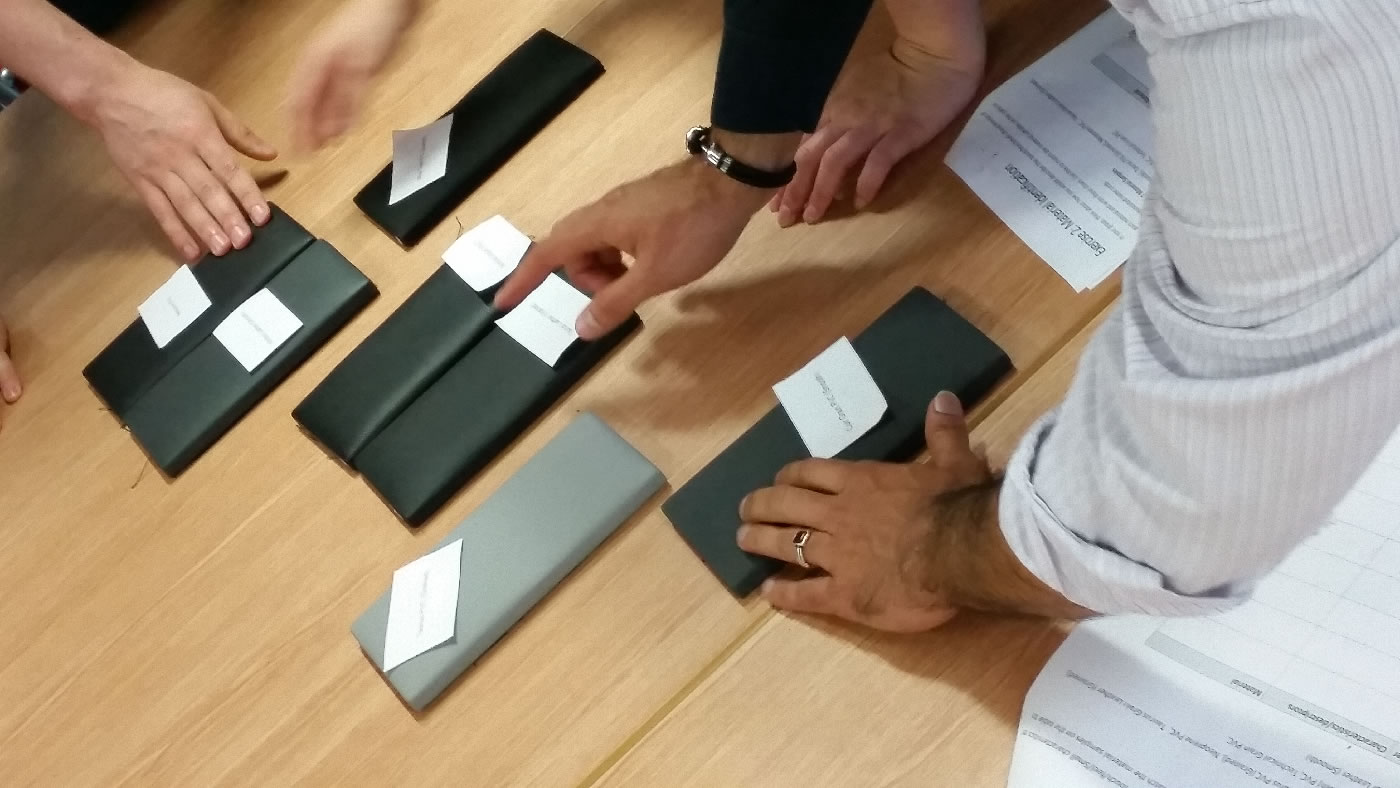
Other sessions, taught by fellow lecturers, involved the evaluation of various types of interior trim, such as genuine leather, synthetic leather, and eco-suede. Students had to guess the type of finish by touch alone and identify which felt most luxurious.
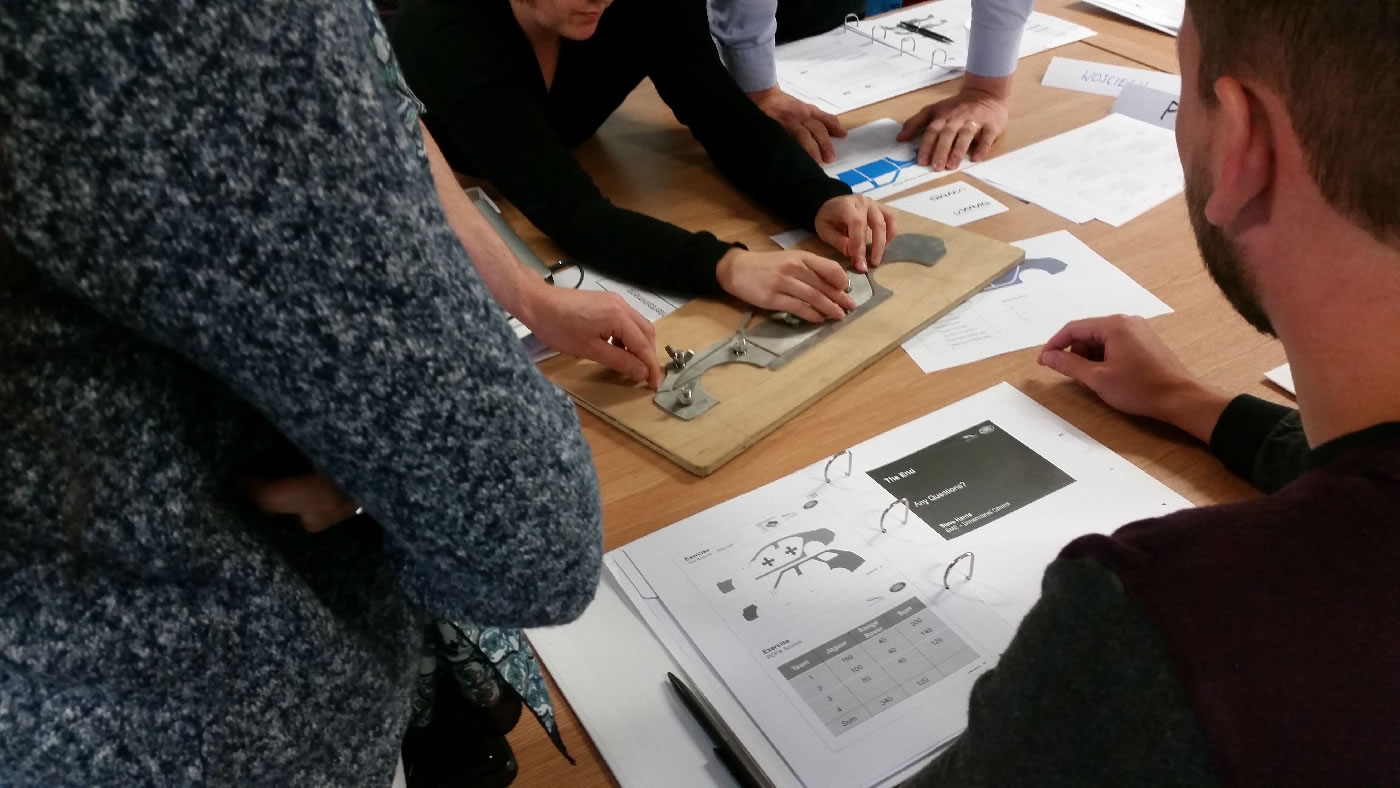
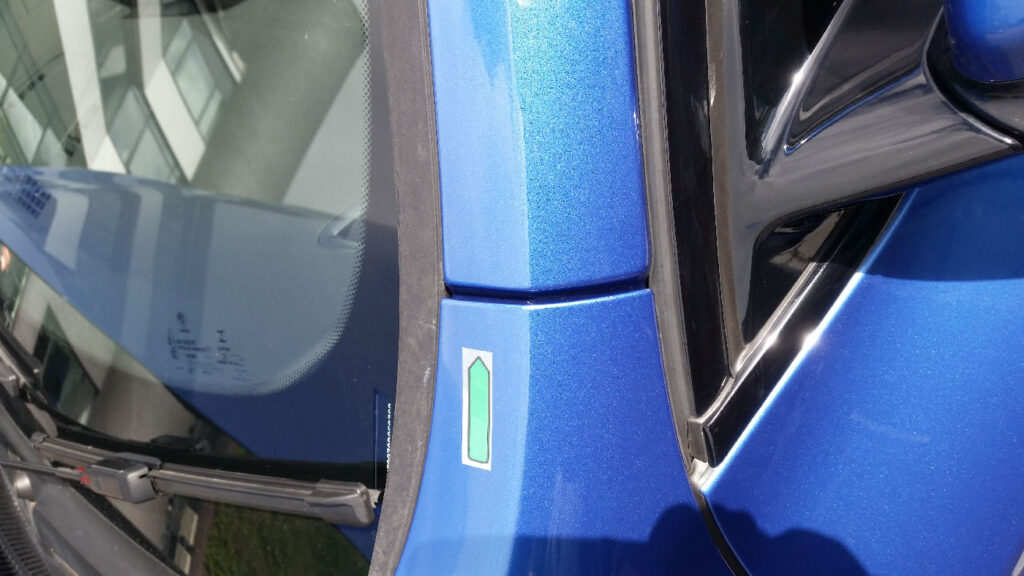
Another activity was a challenge to align exterior parts on a 2D schematic of miniature vehicles (a Jaguar and a Land Rover). It wasn’t as easy as it sounds; one had to keep all parts aligned with consistent gaps (shut lines) between them. It requires a specific strategy to choose which piece to align first to complete the challenge in the shortest time.
Other sessions led by different lecturers included:
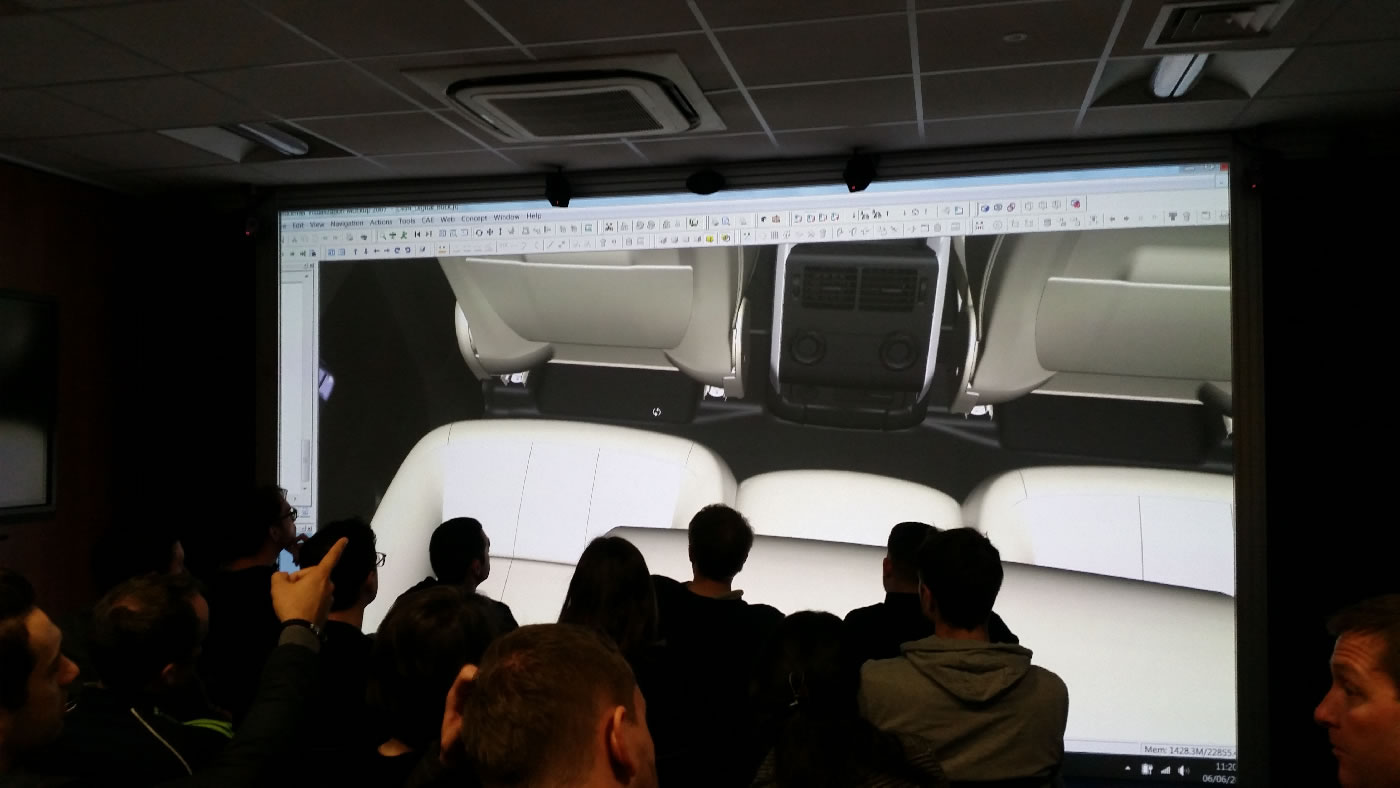
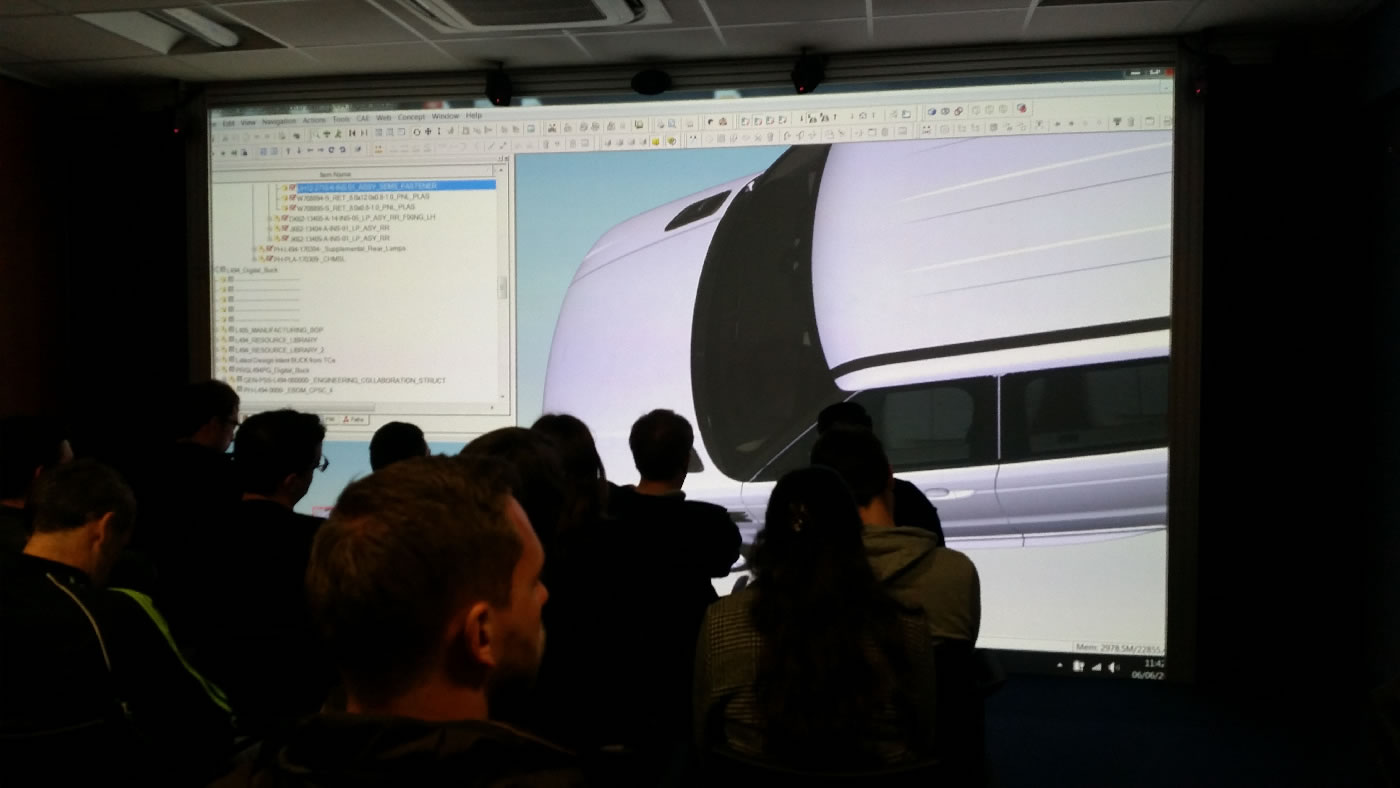
- CAD design evaluation via Powerwall: Using a high-definition projection wall to view models at full scale.
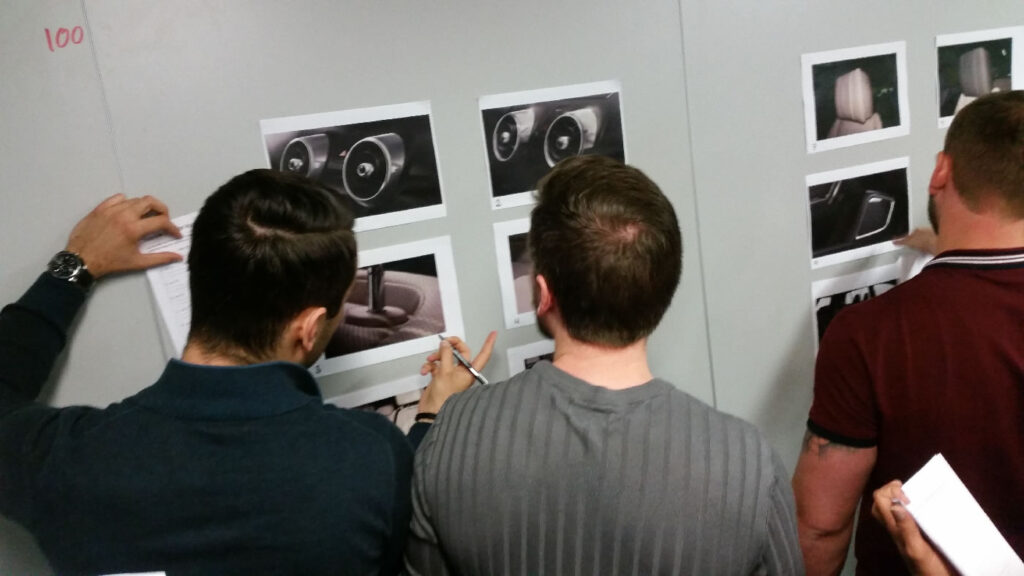
- Vehicle detail evaluation: Comparing two image options to determine which appeared more sophisticated.
- Ambient lighting: Exploring how luxury cars use light and colour to create pleasant environments for customers.
- Optical paint quality control: Using a spectrometer, which is highly useful for evaluating complex finishes like metallic and pearlescent paints.
- Soundscape: The study of sound applied to the automotive market; observing how we perceive a car’s quality through the engine note or the silence of the cabin.
- Kano method: evaluate the expected and delightful features of products and services.
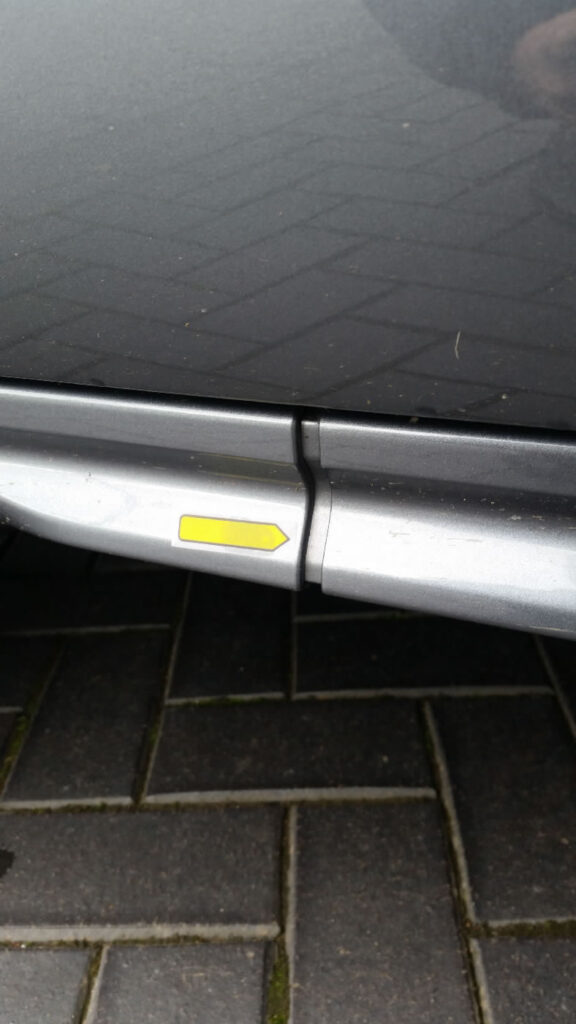
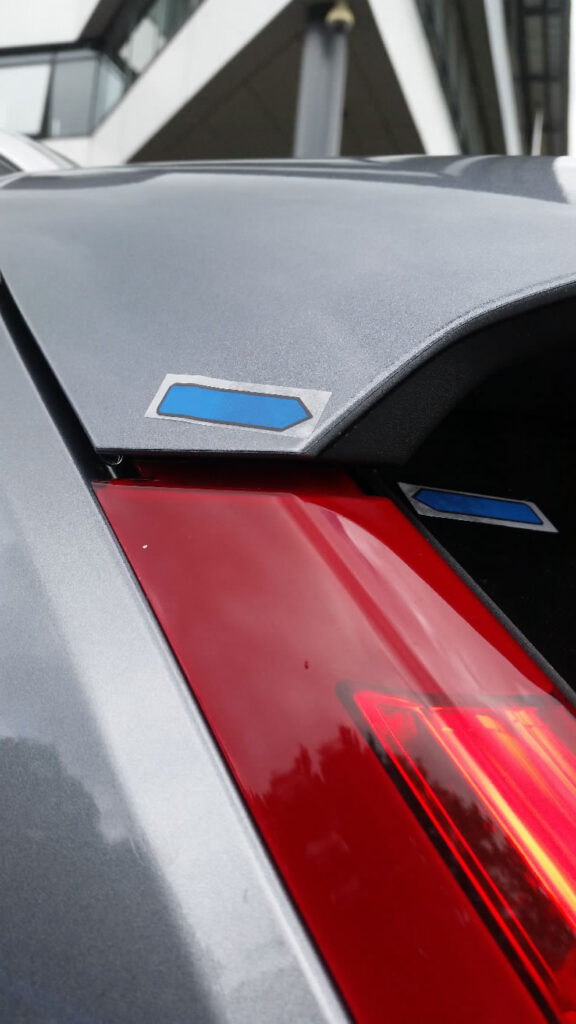
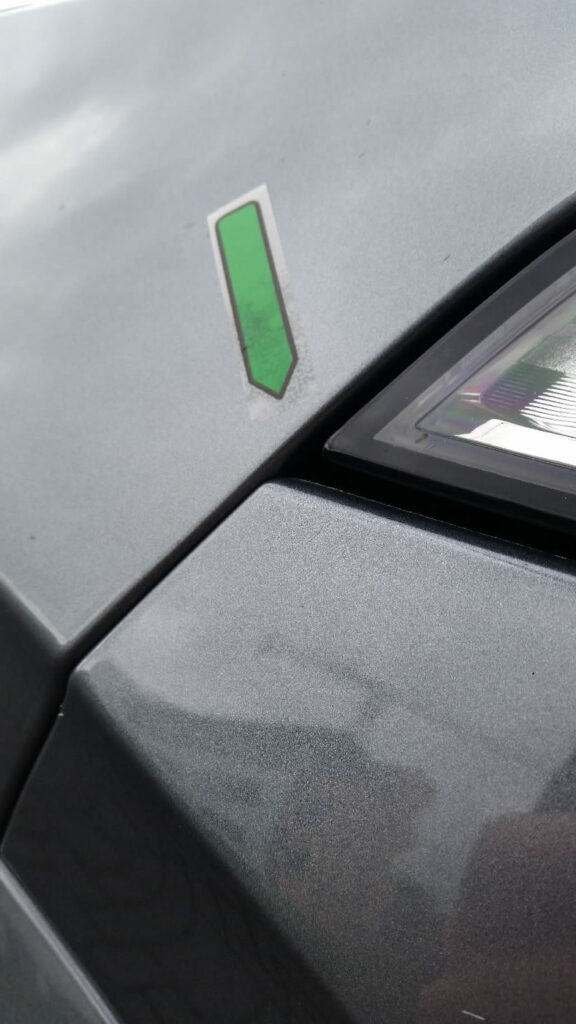
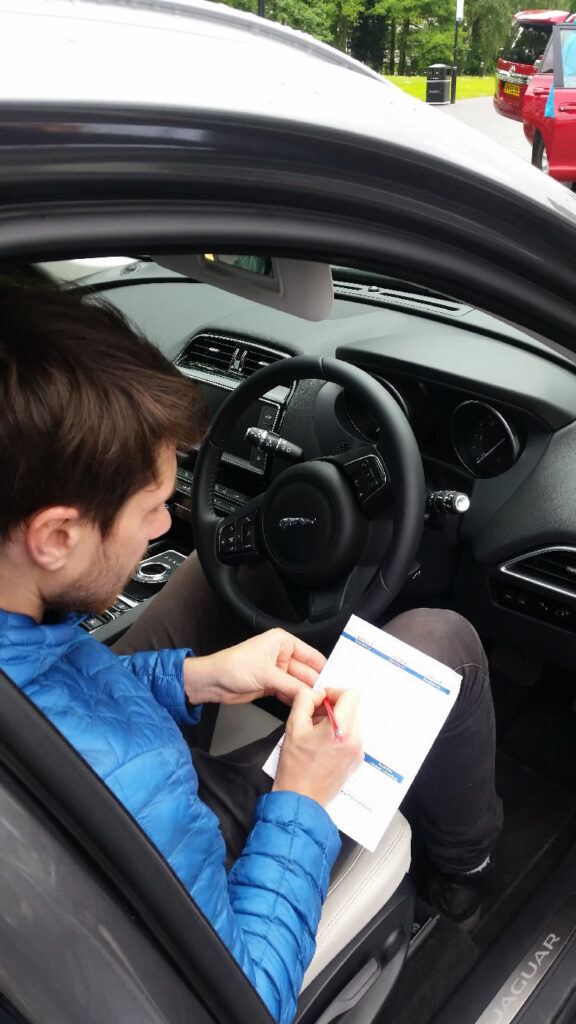
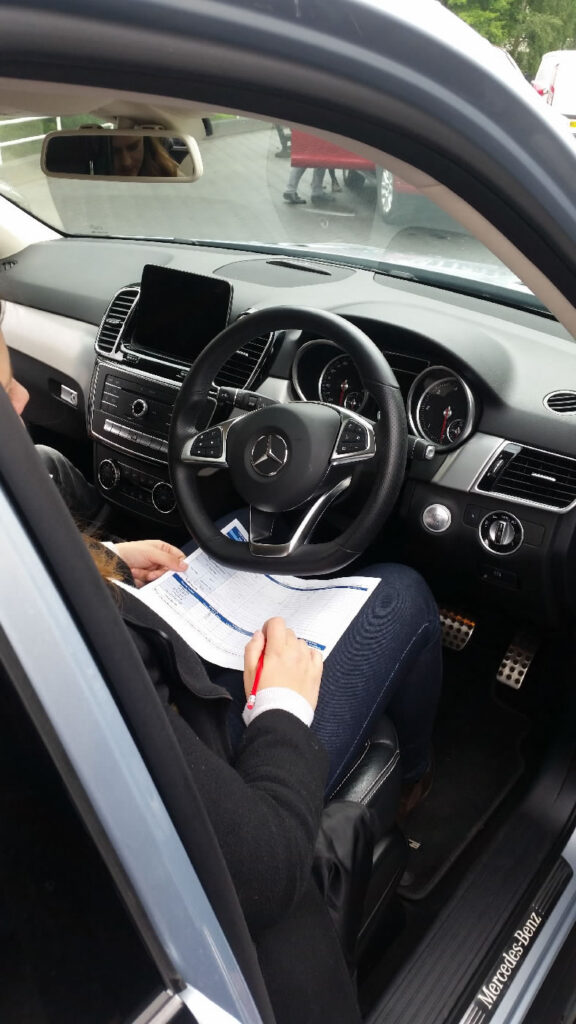
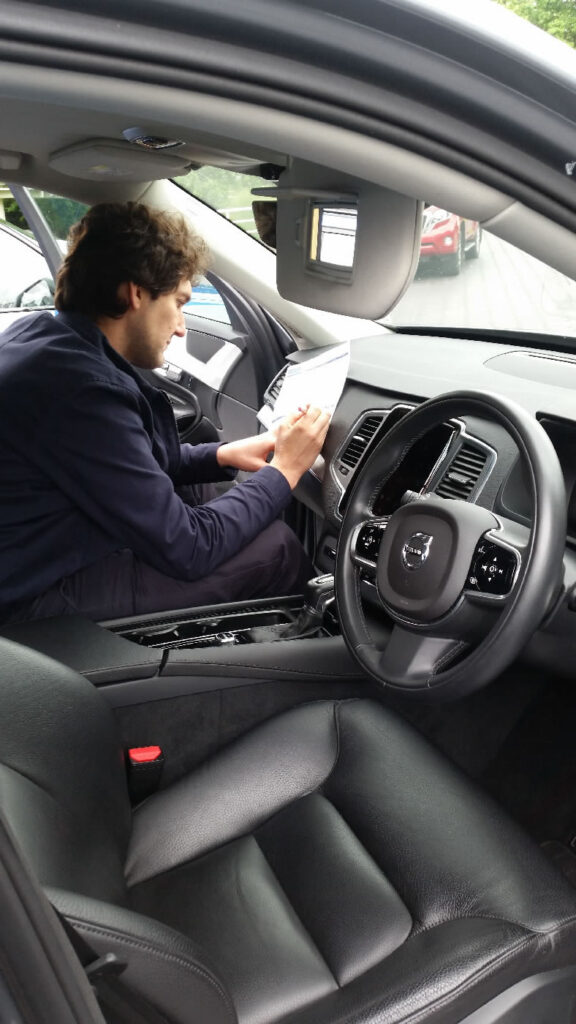
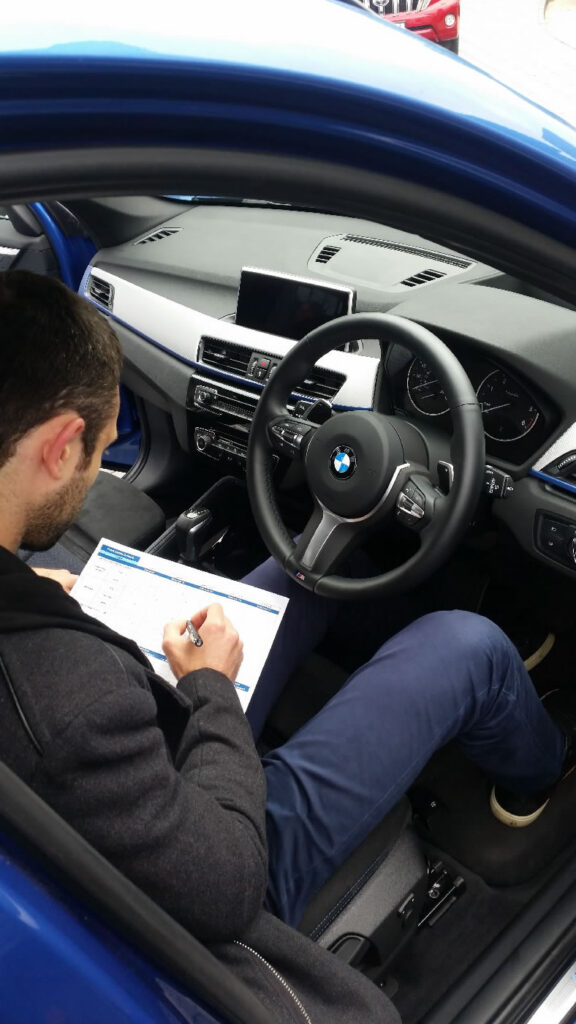
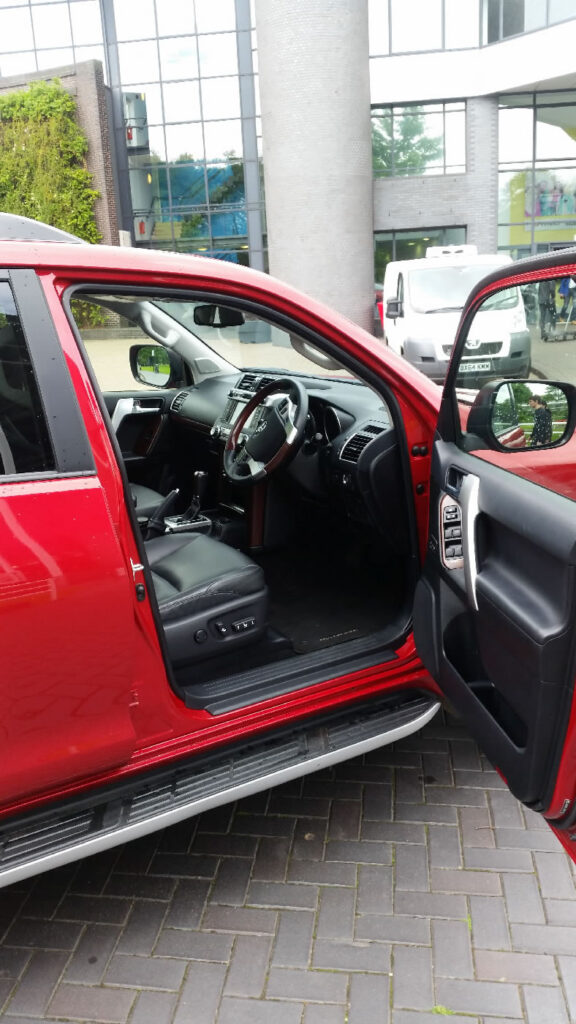
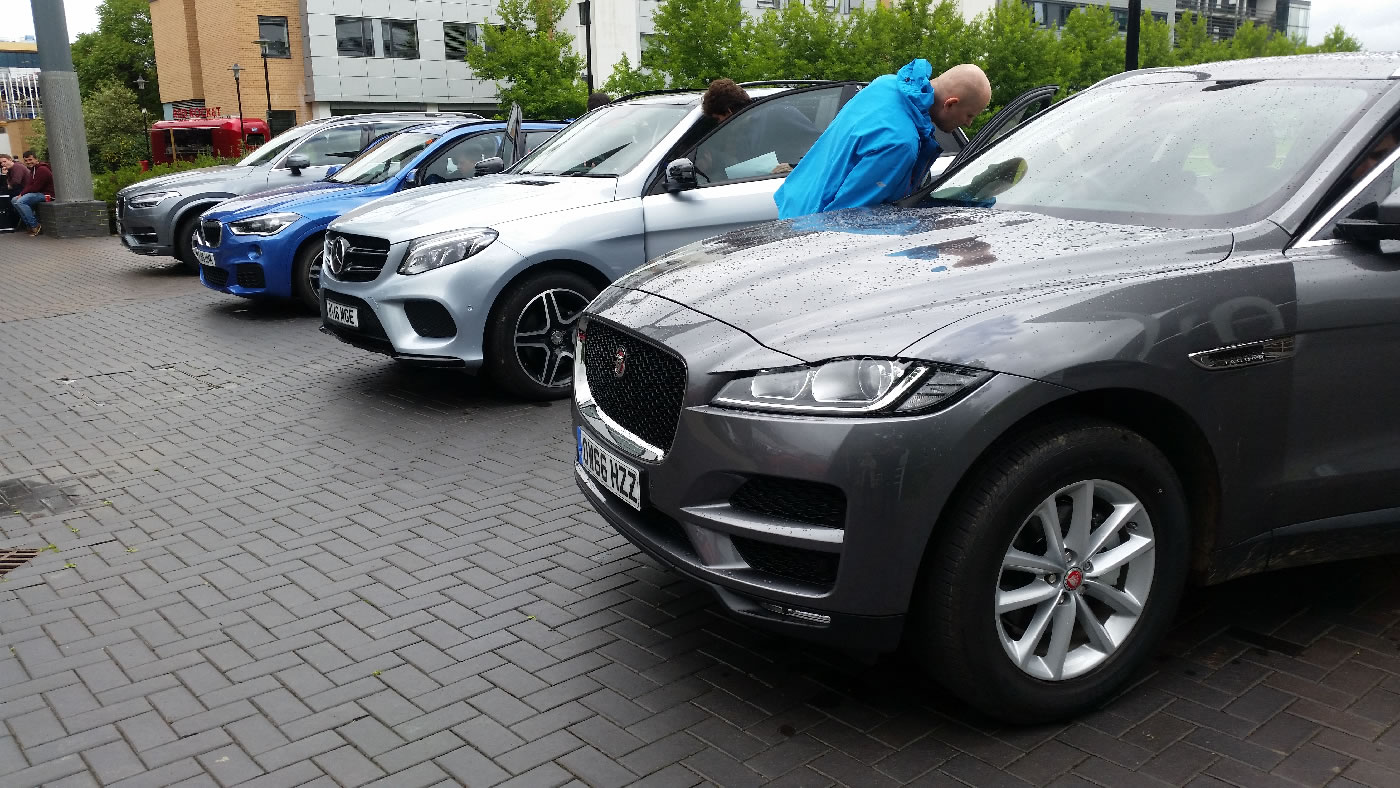
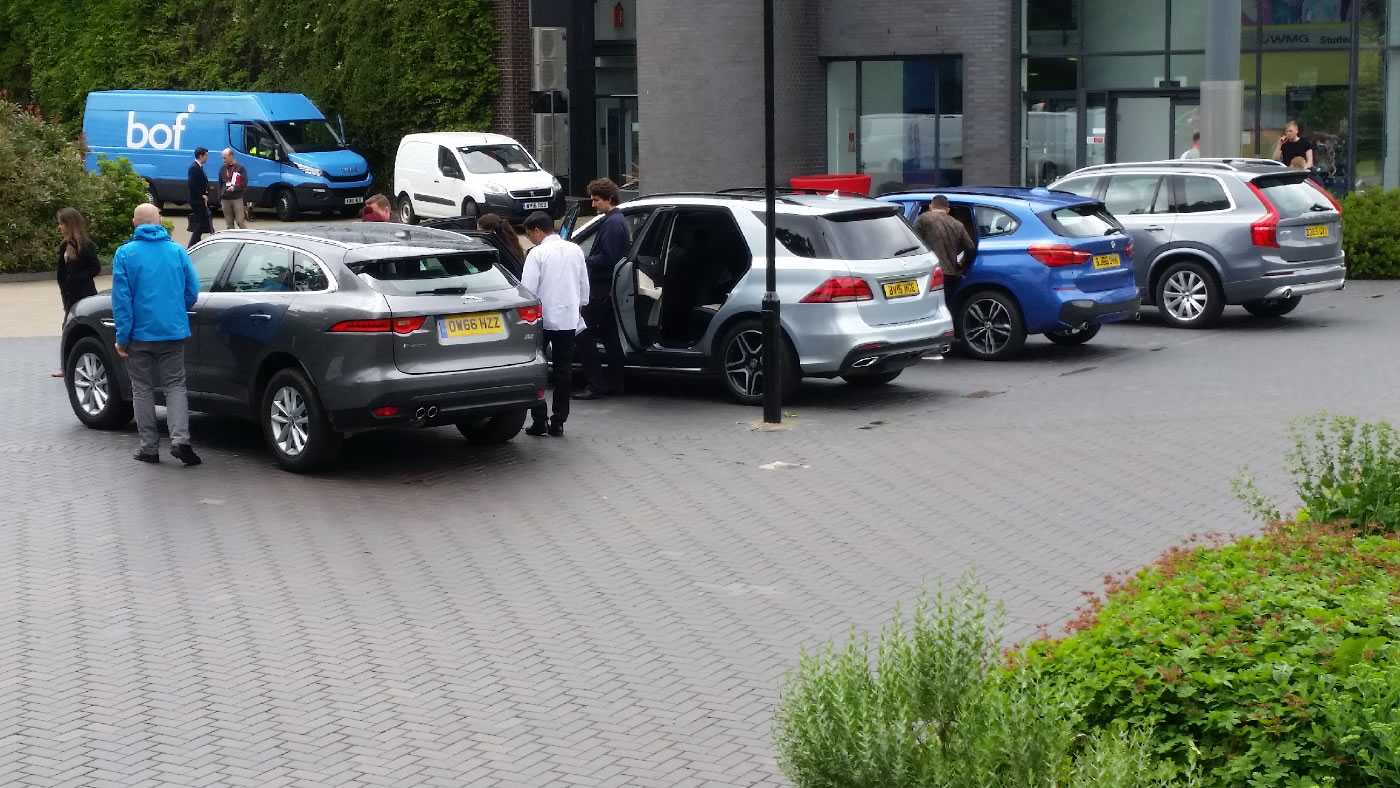
The final activity was a comprehensive evaluation of the interior and exterior of five luxury cars, applying the concepts learned in previous exercises. The vehicles included: Jaguar F-PACE, Mercedes GLE, BMW X1, Volvo XC90, and a Toyota Land Cruiser. Materials, textures, colours, lighting, and the “fit and finish” (gaps and flushness) of the exterior and interior components were evaluated in the finest detail.